Alcohol and Suppression of Fat Oxidation: Acute Effects
Research data on short-term changes in lipid oxidation during and after alcohol consumption
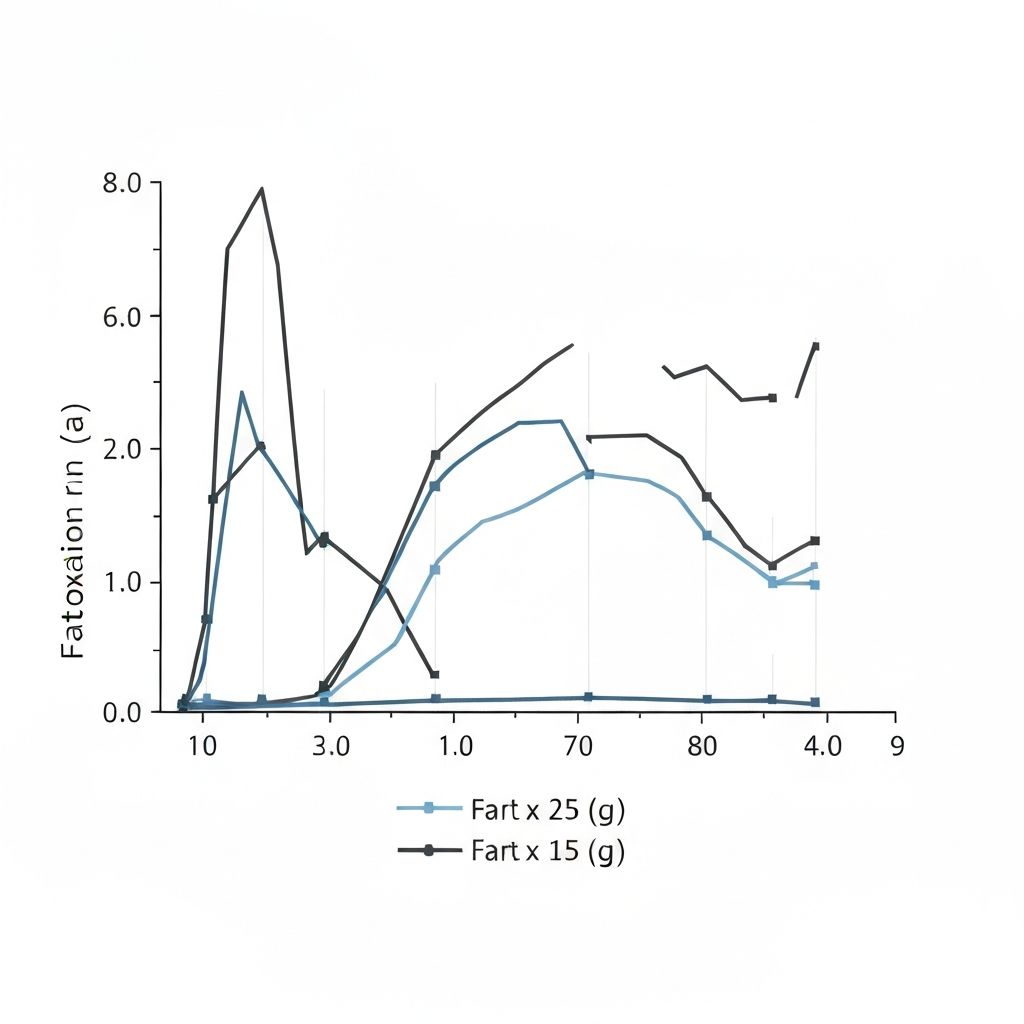
The Mechanism of Fat Oxidation Suppression
One of the most consistent findings in alcohol metabolism research is the acute suppression of fat oxidation during and following alcohol consumption. When ethanol is present in the bloodstream, the body reduces its rate of breaking down dietary and stored fats for energy.
This occurs because the acetyl-CoA and NADH generated from ethanol oxidation create a cellular environment that inhibits the enzymatic steps required for fat breakdown. Specifically, the oxidation of fatty acids depends on NAD+; when NADH accumulates, the oxidation process slows or halts.
Evidence from Acute Studies
Controlled studies measuring substrate oxidation in humans have demonstrated this effect clearly. When subjects consume moderate amounts of alcohol (typically 0.5 to 1 gram per kilogram of body weight), whole-body fat oxidation rates decline measurably compared to baseline conditions. This suppression is proportional to the amount of alcohol consumed and the resulting blood alcohol concentration.
Research using indirect calorimetry and tracer methods has shown that fat oxidation can be reduced by 20–30% or more during acute alcohol exposure, depending on the study design and population examined.
Recovery and Time Course
The suppression of fat oxidation is not permanent. As ethanol is metabolized and eliminated, fat oxidation rates return toward baseline. The time course of recovery depends on the dose of alcohol consumed and individual metabolic characteristics, typically occurring over several hours as blood alcohol levels decline.
Implications for Energy Balance
The significance of fat oxidation suppression lies in its relationship to energy balance. If fat oxidation is reduced, and if the energy from alcohol is not fully compensated for by reductions in food intake, a net energy surplus can occur. Over time, repeated instances of this dynamic—alcohol consumption followed by incomplete compensation—could theoretically contribute to weight gain.
Individual Variation
Not all individuals show identical fat oxidation suppression in response to alcohol. Factors including genetic variation, training status, baseline metabolic health, and nutritional context influence the magnitude of this effect. Athletes and individuals with higher baseline metabolic flexibility may show different patterns than sedentary individuals.
Relationship to Other Metabolic Effects
The suppression of fat oxidation occurs alongside other metabolic shifts triggered by alcohol, including changes in carbohydrate oxidation rates and hormonal alterations discussed in subsequent articles. These effects are interconnected aspects of the body's response to ethanol as a toxic compound requiring rapid elimination.
Educational content only. No promises of outcomes.
Related Articles
Ethanol Oxidation Priority in Human Metabolism
Alcohol-Induced Appetite Disinhibition
Endocrine Responses to Alcohol Consumption
All Research Articles